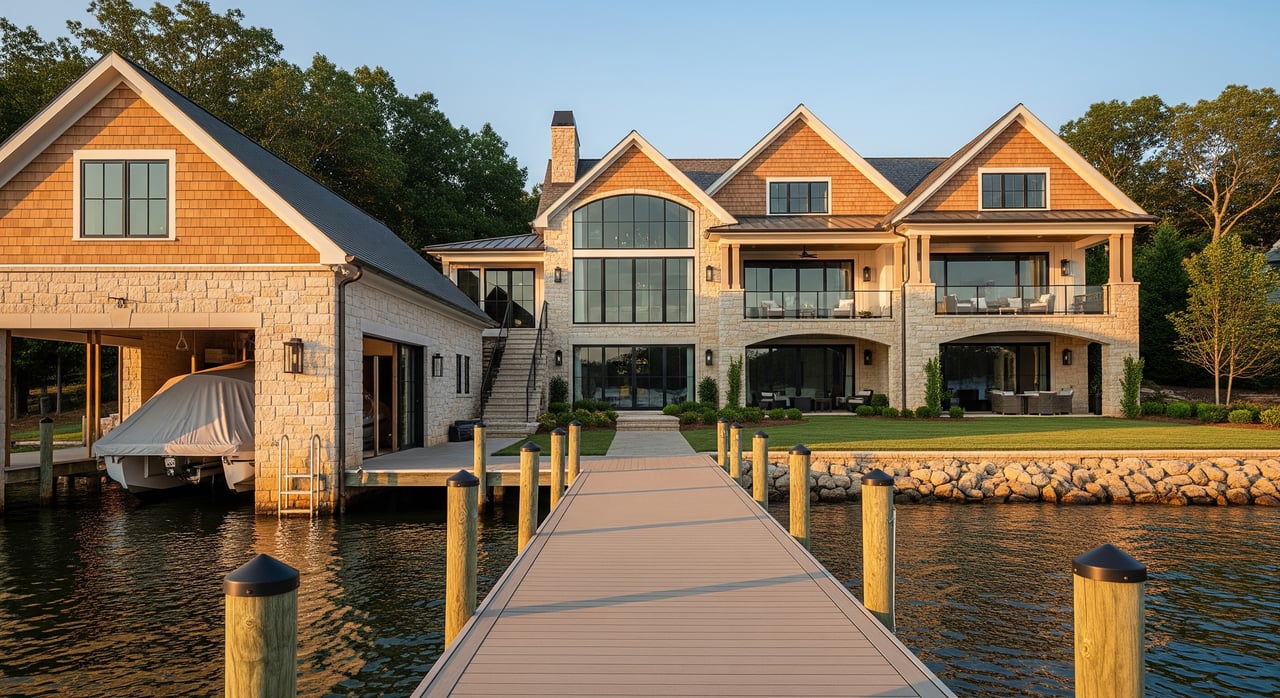
If you are shopping waterfront in Sherrills Ford, you quickly learn that not all shorelines feel the same. Views, water depth, wake, and dock potential can change a lot from one cove to the next. That affects your lifestyle, maintenance, and even your commute to Mooresville or Charlotte. This guide shows you how the main waterfront areas differ, what to check before you buy, and how to match the right shoreline to the way you want to live on Lake Norman. Let’s dive in.
What makes Sherrills Ford unique for buyers
Sherrills Ford sits on Lake Norman in Catawba County. Lake Norman is the largest man‑made lake in North Carolina, and Duke Energy manages water levels and shoreline rules through its shoreline management program. Water levels can fluctuate seasonally, which influences dock clearance and how you use the water during the year.
Approvals matter on Lake Norman. Docks, boathouses, and shoreline work typically require Duke Energy licensing, Catawba County permits, and any applicable HOA or POA approvals. Federal and state rules may also apply in floodplains and sensitive areas.
Commute times are an important part of your decision. Many buyers find drives to Mooresville are roughly 20 to 30 minutes and to downtown Charlotte are roughly 35 to 60 minutes. Exact times vary by the specific cove and your access to connector roads like NC‑16 and other arterials.
Waterfront types around Sherrills Ford
Sherrills Ford offers a mix of main‑lake frontage, quiet coves, and natural shoreline. Each type shapes your day‑to‑day life on the water.
Main‑lake exposure
Lots on the open body of Lake Norman deliver long sight lines and broader views.
- Pros: Expansive views, deeper water near shore, and easy navigation for larger boats. Often strong resale appeal for buyers who value big‑water views.
- Cons: More wake and wind exposure, higher dock engineering or maintenance, and less privacy compared to tucked‑away coves.
Peninsula or finger lots
These narrow points extend into the lake and may have water on multiple sides.
- Pros: Panoramic views, semi‑private feel, and flexible dock placement options.
- Cons: Higher shoreline maintenance and exposure to boat traffic on more than one side.
Protected coves
Sheltered coves sit just off the main channel and feel calm and private.
- Pros: Reduced wake and noise, comfortable for swimming and paddling, and friendlier water for small docks and day‑use boating.
- Cons: Can be shallow in spots, may have vegetation, and limited maneuvering space for larger boats. Some coves can silt in over time.
Shallow flats and wetlands
These areas have gradual depth changes and more natural shoreline.
- Pros: Scenic and wildlife‑rich with a quiet retreat feel.
- Cons: Limited draft for larger boats, potential seasonal shallowing, and longer finger piers or dredging may be required if allowed.
Steep bank or rocky shoreline
Water deepens quickly near shore along steeper banks.
- Pros: Deep water at shorter dock lengths and easier mooring for larger powerboats.
- Cons: Harder to landscape and create casual water access, and steeper lots can add complexity to home design and site work.
Planned communities with marinas
Some neighborhoods feature community docks, marinas, and shared amenities.
- Pros: Turnkey access to boat slips without private dock maintenance, plus consistent aesthetics through architectural controls.
- Cons: HOA dues and rules that may limit private dock size, boat types, or guest usage.
How shoreline type shapes your life
Boating and water sports
- Large cruiser or yacht: You typically want deep water close to shore. Main‑lake exposure or steep banks often fit best.
- Pontoon or smaller runabout: Quiet, protected coves can be ideal, with calmer water for casual cruising and day anchoring.
- Ski and wake activities: Easy access to open water is helpful. Tight coves can limit speed or turning room.
Entertaining and views
If you host often, big‑water or peninsula views deliver a resort‑style setting and dramatic sunsets or sunrises depending on orientation. Protected coves feel more intimate and are well suited to lounge decks, fire pits, and quiet evenings on the dock.
Privacy and natural setting
Deep coves and natural marsh fringes can feel secluded, with more wildlife and less boat traffic. Main‑lake frontage offers the opposite tradeoff: a lively boating scene and visibility to passersby in exchange for expansive water views.
Maintenance and costs
Shoreline type influences long‑term upkeep. Exposed main‑lake sites may need more robust dock construction and seawall care. Natural banks and coves may require vegetation management, periodic dredging if allowed, and careful buffer maintenance.
Commute and daily convenience
Your cove location affects time on the road as much as time on the water. Many buyers estimate 20 to 30 minutes to Mooresville and 35 to 60 minutes to downtown Charlotte, depending on traffic and routing. That range can shift with specific neighborhood entries and access to NC‑16 or other arterials.
A practical tip is to test your commute at peak and off‑peak hours from each candidate property. Also note drive times to marinas, grocery options, emergency services, and any other daily essentials.
Depth, docks, and permits
Water depth and bathymetry
Depth near shore is often the single biggest driver of dock feasibility and cost. It determines dock length, mooring options, and whether a larger boat can sit safely as lake levels fluctuate. You can verify depth with available bathymetric resources or by commissioning a local marine contractor to run a sonar check at a typical lake elevation.
Dock licensing and approvals
Duke Energy licenses docks and sets standards for placement and size on Lake Norman. Catawba County permits and inspections also apply, and HOA covenants may add design limits. Boathouses and covered docks are more restricted and are not allowed in certain communities.
If a property has an existing dock, confirm that it is properly licensed or grandfathered. If you plan to build, verify the likely footprint and setbacks in advance.
Shoreline composition and erosion
Shorelines range from natural banks to riprap, bulkheads, or constructed seawalls. Seawalls and bulkheads need periodic inspection and eventual repair, which can be capital intensive. Natural banks and riparian buffers may call for erosion control measures that require approvals before work.
Flood zones, insurance, and elevation
Waterfront parcels can lie within FEMA flood zones. Lenders and insurers may require an elevation certificate, additional flood mitigation, or specific foundation design. Understanding the parcel’s flood designation early can save time and smooth financing.
Utilities, septic, and site buildability
Many lakefront homes use septic systems, and availability of municipal sewer varies by area. Catawba County Environmental Health oversees septic permitting and related site evaluations. Long or private lots may have different utility service levels, so it helps to confirm electric and internet options during due diligence.
Seasonal and environmental factors
Coves often see more aquatic vegetation, while main‑lake water can be clearer depending on conditions. Seasonal algae or clarity changes may affect recreation and appearance for short periods. Orientation also matters: southwesterly exposures can see more prevailing wind and waves, while some east‑facing shorelines may feel calmer in the evening.
Resale and market appeal
Main‑lake, deep‑water properties and peninsula lots typically hold strong appeal for buyers who prioritize views and quick access to open water. That said, many buyers value quiet water and privacy just as highly. Community amenities and efficient road access can boost resale for households that commute to Mooresville or Charlotte.
The best long‑term play is to align shoreline type with your own lifestyle. When you buy what you will use and love, you will enjoy the property and protect resale value.
Buyer due diligence checklist
Use this quick checklist to compare properties and reduce surprises before you write an offer.
- Request the Duke Energy shoreline and dock history for the parcel. Confirm whether any existing dock is licensed or grandfathered.
- Obtain recent depth data or commission a sonar check at a typical lake elevation. Ask about any prior dredging and whether additional work is likely to be permitted.
- Review Catawba County building and environmental health records, including septic permits, well records, setbacks, and floodplain designation.
- If applicable, get HOA or POA covenants and architectural guidelines. Check community rules for docks, boat types, and guest usage.
- Confirm whether deed lines or riparian easements influence dock placement or access.
- Order professional inspections of docks and seawalls by a marine contractor. Include home, foundation, and septic inspections in your scope.
- Verify insurance needs and obtain a flood zone determination and premium estimate from an agent experienced with waterfront properties.
- Confirm lending requirements for waterfront, including any needed elevation certificate or additional documentation.
- Drive your commute to Mooresville and Charlotte during peak and off‑peak times. Note distance to marinas, services, and daily conveniences.
- Engage local professionals: marine contractors, marina managers, real estate attorneys with waterfront experience, and appraisers familiar with Lake Norman valuations.
Choosing the right micro‑area for you
- You own or plan to buy a large cruiser: Focus on main‑lake or steep‑bank frontage with deep water close to shore, plus dock design that can handle wake.
- You prefer pontoon cruising and swimming: Look for protected coves with calmer water and comfortable near‑shore depth.
- You love wake sports: Prioritize quick access to open stretches where towing and turning are practical, and avoid the tightest coves.
- You want low‑maintenance boating: Consider communities with private marinas or community slips so you avoid individual dock upkeep.
- You value privacy and a natural feel: Explore deeper coves or shoreline with natural buffers and larger lot sizes.
Ready to explore Sherrills Ford waterfront?
Every shoreline choice comes with tradeoffs in depth, wake, privacy, and maintenance. When you compare properties through that lens, it becomes easier to see which homes will deliver the lifestyle you want and protect resale. If you would like a guided tour of options, dock and permit insight, and introductions to vetted local resources, connect with Liz Miller for a confidential consultation.
FAQs
Can I build any size dock on Lake Norman?
- Dock size and placement are governed by Duke Energy licenses, county permits, and often HOA covenants. Allowable size depends on lot frontage, depth, and navigation clearances.
How deep should the water be for my boat near the dock?
- Minimum safe depth depends on your boat’s draft and typical lake‑level fluctuations. Larger boats usually need deeper near‑shore water or a certified marina slip.
Will I need a seawall or dredging on a cove lot?
- It depends on shoreline type and conditions. Exposed shorelines often use seawalls, and some coves allow dredging with permits, but approvals are not guaranteed.
Are coves more private than main‑lake locations?
- Generally yes. Protected coves and some peninsula lots feel quieter with less wake and boat traffic, while main‑lake frontage trades privacy for big views and activity.
Does shoreline condition affect price and resale?
- Yes. A well‑built, properly permitted dock and stable shoreline typically increase value and reduce near‑term capital needs. Unknown or failing structures can reduce price due to expected repairs.